

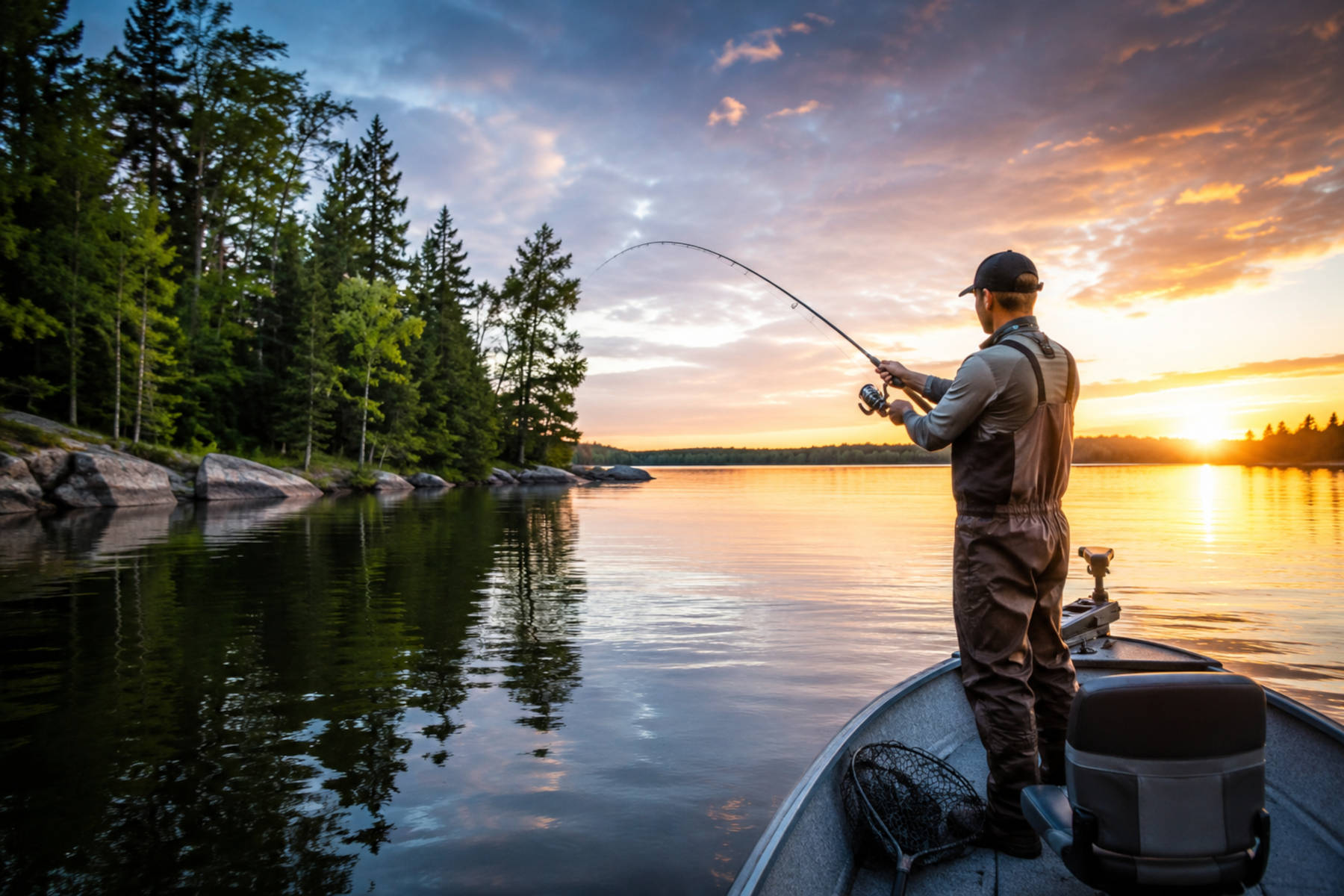
A fishing trip can mean almost anything. It might be a few quiet hours beside a lake, an early morning boat trip along the coast of Greece, several days following a river through the wilderness, or a remote expedition into Alaska or Canada where the nearest road is many hours away. The equipment required for each of these experiences can be completely different, yet the basic challenge remains the same: bring enough to stay comfortable, safe and prepared without filling your luggage with things you will never use.
That is where fishing trips often become more complicated than they first appear. A beginner may naturally focus on the obvious equipment, imagining that the rod and tackle are the most important things to pack, only to discover that wet clothes, sunburn, insects, dehydration or a missing headlamp can make the day considerably more difficult than a fish ever could. On an organized trip, much of the specialized fishing equipment may already be provided anyway. What you personally need is often a surprisingly practical collection of clothing, protection, food, water and small pieces of equipment that make life easier around the water.
The right packing strategy therefore begins with the destination rather than the fish. A warm Mediterranean sea requires very different clothing from a cold Alaskan river, while a day aboard a fishing boat has completely different logistics from a week-long wilderness expedition. Before buying anything, find out what the organizer provides, what you are expected to bring and what conditions you are likely to encounter. That information can save you a great deal of money and, just as importantly, prevent you from arriving with the wrong equipment for the trip you actually booked.
This guide is intended for recreational anglers as well as travelers joining organized fishing adventures. It covers the practical side of preparing for a trip rather than attempting to teach fishing techniques or recommend specific tackle for particular species. The goal is simple: once you reach the water, you should be thinking about fishing rather than wondering why you forgot a dry jacket, ran out of drinking water or packed a pair of shoes that are completely useless on a wet boat deck.
1. Start With the Type of Fishing Trip
The most important decision happens before you pack a single item. You need to understand what kind of fishing trip you are joining, because the phrase “fishing trip” tells you almost nothing about the conditions you will actually face. A half-day charter from a Mediterranean marina may require little more than sun protection, comfortable clothing and a few personal essentials, while a remote expedition in northern Canada can involve cold weather, rain, insects, long distances and several days without access to a shop. The same suitcase cannot sensibly cover both situations.
Start by finding out where you will be fishing, how long you will be away from your accommodation and how you will reach the fishing location. A boat trip, a river expedition and a remote lake journey each create different practical problems. You may be standing on a wet deck, walking through mud and shallow water, sitting in a small boat for hours or carrying your belongings between camps. Even the amount of luggage you can bring may be determined by the type of transport used to reach the fishing grounds.
Weather and water temperature deserve particular attention. A warm forecast does not necessarily mean that you will feel warm on an exposed boat, especially when the wind picks up, while a cold-weather fishing trip can become uncomfortable very quickly if your outer layers are not genuinely waterproof. In northern regions, conditions can change dramatically even during the same day, and in coastal areas wind and waves may matter more than the temperature shown in the forecast. Check the conditions shortly before departure and ask the local operator what they consider normal for that particular time of year.
Finally, find out exactly what the organizer provides. Many fishing charters supply rods, reels, tackle, bait, safety equipment and sometimes even waterproof clothing, while wilderness expeditions may provide much more or require guests to bring almost everything themselves. There is no advantage in buying expensive specialist gear that will sit unused for most of the year if a reputable operator already has appropriate equipment available. A good fishing trip starts with a conversation about what is included, not with an impulsive shopping trip.
2. Clothing Should Be Chosen for the Environment
Fishing clothing has one job that is often underestimated: keeping you functional when you are wet, cold, hot, tired or exposed to the elements for much longer than you expected. The perfect outfit for a sunny afternoon beside a lake may be completely wrong for an open fishing boat where spray reaches you continuously. Likewise, the clothes that work beautifully in a warm Mediterranean climate would be hopelessly inadequate beside a cold river in Alaska. The environment should determine your clothing far more than fashion or the appearance of professional fishing photographs.
Layering is usually the most practical approach because conditions can change during a fishing day. A lightweight base layer can help manage sweat, while an insulating layer provides warmth when temperatures fall and a waterproof outer layer protects against rain and spray. In warm climates, breathable clothing that covers the skin can protect against both sunlight and insects without making you excessively hot. The idea is not to wear every layer simultaneously, but to have enough flexibility to adapt as the day develops.
For cold or wet destinations, the outer layer becomes particularly important. A proper waterproof jacket and trousers can be worth considerably more than several ordinary sweaters because staying dry is often the key to remaining warm. This is especially true when fishing from a boat, where spray can reach you even when it is not raining. On a remote trip, a completely dry spare layer should also be protected carefully inside waterproof storage rather than left exposed in an ordinary backpack.
Warm-weather fishing creates a different set of problems. Long sleeves can actually be more comfortable than a short-sleeved shirt when the sun is strong, particularly if the fabric is lightweight and breathable. A wide-brimmed hat or cap, sunglasses and reliable sunscreen become part of your basic fishing equipment rather than optional holiday accessories. After several hours on reflective water, sun exposure can become exhausting even when the temperature itself feels pleasant, so protection is far easier than trying to recover from a serious sunburn halfway through the trip.
3. Your Footwear Has to Match the Water
Few things are more frustrating on a fishing trip than discovering that your shoes are completely wrong for the place where you are standing. Boat decks can be wet and slippery, riverbanks can be muddy and uneven, while a wilderness trip may require you to walk through shallow water or rough terrain carrying equipment. Comfortable everyday sneakers may be perfectly adequate for some shore-based fishing, but they are not a universal solution. Before choosing footwear, think about where your feet will actually spend most of the day.
On a fishing boat, grip and stability are generally more important than appearance. Footwear should stay securely on your feet and provide reliable traction on wet surfaces, while being suitable for the conditions and rules of the particular boat. Some operators may recommend or provide specialized deck footwear, particularly when fishing in cold or wet conditions. If you are joining an organized charter, ask about footwear requirements before the trip rather than assuming that your favorite outdoor shoes will be acceptable.
River and wilderness fishing can demand something different. Waterproof boots or waders may be appropriate in some environments, while lightweight water shoes can make more sense for warm-weather trips where you regularly enter shallow water. Waders in particular should not be treated as ordinary waterproof trousers; they need to be used appropriately for the environment and the operator’s instructions. In cold water, the consequences of falling in are very different from those of getting your feet wet on a warm summer river.
Whatever footwear you choose, do not make the fishing trip its first serious test. New boots can create blisters just as efficiently as new hiking shoes, and there is no convenient way to escape uncomfortable footwear when you are several hours from the starting point. If you are bringing a second pair for camp, travel or evenings, keep them dry and comfortable. After a long day beside the water, simply changing into warm, dry shoes can feel like one of the greatest luxuries in the world.
4. Protect Yourself From Sun, Wind and Insects
Fishing can be surprisingly demanding even when you are doing very little physical work. Hours spent beside open water expose you to sunlight, wind and reflected glare, and the conditions can feel completely different from what you experienced when you left the hotel or campsite in the morning. This is particularly noticeable on boats, where there may be almost no shade and a steady breeze can make a warm day feel deceptively comfortable. Protection from the elements should therefore be part of your basic preparation, not something you add to the bag at the last minute.
Sunglasses are one of the simplest pieces of equipment to justify. Good lenses reduce glare from the surface of the water and make it much easier to keep your eyes comfortable during a long day outdoors. They should also fit securely enough that you are not constantly adjusting them while moving around a boat or riverbank. A retaining strap can be useful, especially when there is a realistic possibility of dropping them into the water.
Sun protection should extend beyond your face. A hat, lightweight long-sleeved shirt and sunscreen can make a considerable difference after several hours outside, even on days when the air does not feel particularly hot. Remember that water reflects sunlight, so the exposure you receive while sitting beside a lake or on a boat can be greater than you might expect. Reapply sunscreen during the day rather than assuming that one application before breakfast will last until sunset.
Insects create a completely different kind of discomfort, and in some parts of the world they are far more than a minor annoyance. Mosquitoes and other biting insects can be a serious problem around northern lakes, rivers and wetlands, particularly during warmer months. Insect repellent, clothing that covers exposed skin and, where appropriate, a head net can turn an otherwise miserable evening into a perfectly manageable one. If you are heading into a remote region, ask the local operator what insects are common and what protection experienced guides normally recommend.
5. Water, Food and the Things You Actually Need During the Day
Fishing has a strange ability to make people underestimate how much time they are going to spend outdoors. You may imagine a short session that ends around lunchtime, only to discover that the weather is beautiful, the fish are active and nobody wants to leave. Several hours can pass without anyone noticing, and that is precisely why food and drinking water should be planned rather than treated as an afterthought. Even on an organized trip where meals are provided, you should understand what is available and when.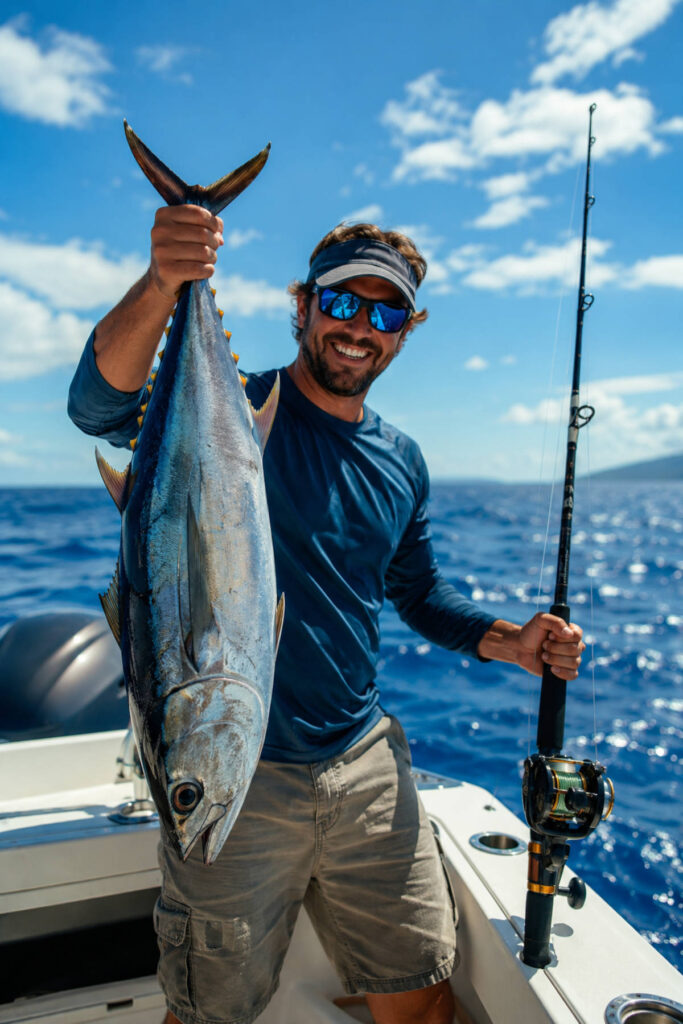
Water is the obvious priority. Dehydration is easy to overlook when you are sitting still, particularly in cool weather, but wind, sunlight and physical activity all increase fluid loss. In warm climates, the amount of water you need can be substantial, while on remote trips you may have no convenient source of safe drinking water at all. Find out whether the operator provides drinking water, whether it is safe to drink local water and whether you should bring your own reusable bottle or hydration system.
Food should be equally practical. A fishing day is not the ideal moment for anything complicated, fragile or difficult to eat, particularly if you are on a small boat with limited space. Compact snacks that tolerate heat, cold and movement are usually more useful than elaborate meals, while longer expeditions require a completely different approach to food storage and preparation. If the trip includes meals, check what is actually provided and whether there are any restrictions you need to mention before departure.
There is also a simple psychological benefit to carrying something to eat. Fishing involves waiting, and even the most enthusiastic angler eventually reaches the point where a snack and a drink become more important than the next cast. A small amount of familiar food can be especially welcome when you are tired, cold or far from the nearest café. It takes very little space, costs almost nothing compared with the rest of the trip and can prevent a minor inconvenience from becoming a genuine problem.
6. Waterproof Storage Is More Important Than It Looks
Water is obviously central to fishing, but it is also the greatest threat to many of the things you bring with you. Rain, spray, wet hands, splashing fish and an accidental drop can turn a perfectly ordinary fishing day into a disaster if your phone, documents or spare clothes are sitting inside an ordinary bag. Waterproof storage does not need to be complicated, but important items should have some level of protection appropriate to the environment. The wetter and more remote the trip, the less you should rely on luck.
Dry bags are particularly useful because they can protect clothing, electronics, food and other essentials while remaining easy to organize. You do not necessarily need one enormous waterproof bag for everything; several smaller bags can make it much easier to separate wet and dry items and find what you need without exposing the entire contents to rain. On a boat, keep anything genuinely important secured rather than simply placing it on the deck and assuming it will remain there.
Your phone deserves special attention. It may be your camera, communication device, navigation backup and source of weather information all at once, which makes losing it particularly inconvenient. A waterproof case or properly sealed pouch can provide inexpensive protection, while a secure attachment point can reduce the chance of dropping the phone overboard. The same principle applies to passports, wallets, keys and other documents if you are travelling internationally or staying in remote accommodation.
Spare clothing should also be protected separately from the beginning of the trip. There is a major difference between carrying a dry jacket and carrying a jacket that was dry when you left the hotel but has spent six hours absorbing moisture from the inside of a fishing bag. On a cold-weather expedition, that difference can become a serious safety issue. Keeping one complete change of warm clothing in a properly sealed dry bag gives you an emergency reserve that should remain untouched until you genuinely need it.
7. The Small Pieces of Equipment You Will Be Glad You Packed
Fishing trips have a habit of turning ordinary objects into surprisingly valuable pieces of equipment. A good knife is an obvious example, although what you need depends heavily on the kind of fishing and the rules of the trip. Something compact and reliable can be useful for cutting line, dealing with food, opening packaging or handling a variety of small jobs around camp. On an organized boat trip, however, do not assume that you need to bring your own large fishing knife or specialized tools; the crew will often have everything required.
A headlamp is another item that takes up almost no room and can become indispensable surprisingly quickly. Early starts, late returns, preparing equipment before sunrise or simply finding your way around a campsite after dark are all ordinary parts of many fishing trips. A phone flashlight can work in an emergency, but having both hands free while dealing with equipment is a completely different experience. For remote or multi-day trips, a proper headlamp and spare batteries should be treated as basic equipment rather than an optional convenience.
A small first-aid kit is equally sensible, particularly when you are going somewhere that does not have immediate access to medical assistance. It does not need to resemble a hospital cabinet, but it should be appropriate for the trip and include the basic supplies you might reasonably need for minor injuries. Cuts, blisters, insect bites and small accidents are considerably more likely than dramatic emergencies, yet dealing with them promptly can prevent a minor problem from ruining the rest of the trip. On remote expeditions, of course, the organizer should provide much more comprehensive emergency planning and you should know exactly what medical support is available.
There are also countless little items that can make a fishing day easier: spare batteries, charging cables, a small towel, hand sanitizer, sunglasses retention straps or a simple repair kit. You do not need all of them on every trip, and this is where experience becomes useful. After a few outings, you naturally develop your own collection of things that repeatedly prove their worth. The important point is not to turn that collection into another excuse for carrying an enormous bag; useful equipment should earn its place.
8. What You Should Buy, and What You Should Rent or Borrow
Fishing is one of those activities where buying equipment too early can be an expensive mistake. A beginner may see professional rods, reels, electronics and specialized clothing and assume that owning them is the natural first step. In reality, many organized fishing trips provide the equipment that matters most, and the gear supplied by an experienced local operator is often better suited to the specific waters and species than a generic setup you buy yourself. Before spending money, find out what the trip includes.
Rods, reels, tackle and bait are particularly good examples. A coastal charter targeting large saltwater fish may use equipment that is completely different from what you would need for a quiet freshwater trip, while an expedition operator may have carefully selected gear for the local conditions. Renting or using supplied equipment also means that you do not have to transport long rods and bulky tackle through airports, rental cars and hotels. For an occasional traveler, that convenience alone can make the decision worthwhile.
Personal equipment is a different matter. Clothing, footwear, sunglasses, sunscreen, insect protection and a comfortable waterproof bag are things that can make sense to own because you can use them across many different outdoor activities. The same applies to items such as a headlamp or reusable water bottle, provided they are appropriate for the trips you actually take. If you discover that fishing has become a regular part of your life, you can gradually add specialized equipment based on real experience rather than assumptions about what an angler is supposed to own.
There is also a practical advantage to waiting before making expensive purchases: you get to learn what you personally prefer. After spending several days on the water, you may discover that a particular type of clothing works better for you, that you dislike a certain style of bag or that the equipment you imagined needing is almost never used. Good gear should solve a problem you have actually encountered. Buying everything before your first serious fishing trip simply means paying in advance for problems you may never have.
9. Permits, Documents and Local Rules
There is one category of fishing equipment that cannot be packed into a bag at all: the knowledge of what you are legally allowed to do. Fishing regulations vary enormously between countries, regions and individual bodies of water, and they can govern everything from required licenses to permitted species, seasons, catch limits and equipment. The fact that someone has invited you to go fishing does not necessarily mean that every legal requirement has already been taken care of. Before travelling, establish who is responsible for the necessary permits and what documents you are expected to carry.
This becomes particularly important when travelling internationally or joining an expedition in remote territory. An organized operator may arrange licenses and permits as part of the trip, but that should be confirmed rather than assumed. In some destinations, rules can differ between rivers or fishing zones, and regulations may change depending on the species being targeted. If you are fishing independently, check the official local requirements well before departure and keep proof of any required license accessible while you are on the water.
Conservation rules are just as important as paperwork. Size limits, seasonal closures, protected species and catch-and-release requirements exist for a reason, and local guides will generally know the rules that visitors are most likely to overlook. Do not assume that practices which are acceptable where you normally fish are acceptable somewhere else. A responsible fishing trip means understanding the local environment and following the rules even when nobody is standing there to enforce them.
Keep your personal travel documents separate from the equipment you use around the water. A passport, wallet or insurance information should not be stored in the same place as wet clothing or frequently handled fishing gear. Waterproof protection is particularly important if you are moving between boats, rivers and camps. Losing a lure is annoying; losing your passport several hundred kilometers from the nearest town is a completely different problem.
10. The Best Thing to Pack Is Preparation
After all the discussion about clothing, footwear, dry bags, food and equipment, the most important part of preparing for a fishing trip is still knowing what you are actually getting into. A short sea-fishing charter in Greece and a week-long expedition in Alaska may both appear under the same category, but they require completely different levels of preparation. The farther you travel from roads, shops and reliable communication, the less room there is for improvisation. On a remote trip, preparation is not about comfort alone; it becomes part of your safety.
That does not mean you need to become an expert before going fishing. It means asking sensible questions before you leave: what equipment is provided, what should I bring, what will the weather be like, where will I sleep, how much water will be available and what happens if something goes wrong? Experienced local organizers are often the best source of this information because they know the conditions that generic packing guides cannot predict. Their advice is usually worth considerably more than buying another piece of equipment simply because it appears in a fishing catalogue.
The beauty of fishing is that the activity can be almost completely transformed by its surroundings. One day you may be standing on a warm Mediterranean deck watching the coastline pass behind you, and another time you may find yourself beside a cold northern river surrounded by wilderness. The equipment changes, the weather changes and the fish change, but the basic principle remains remarkably consistent: stay dry when you need to stay dry, protect yourself from the environment, carry enough food and water, secure the things that matter and know what your trip requires before you arrive.
Once those practical details are taken care of, the rest becomes much simpler. You can stop thinking about whether you packed the right bag and start watching the water, listening to the guide and waiting for that moment when something pulls against the line. That is ultimately what a good fishing trip should leave you with: not a suitcase full of expensive equipment, but a memorable day or expedition in a place where you had the time and freedom to concentrate on the experience itself.
The dry bag advice is probably the most important thing here. I’ve spent enough time fishing from small boats to know that “waterproof” and “probably won’t get wet” are two very different concepts. A phone and a spare layer in a proper dry bag can save an otherwise miserable day.
I learned the footwear lesson on a charter in Florida. Showed up in regular sneakers because the weather was perfect, then spent the morning sliding around on a wet deck. Never again. Now I always check with the captain first, even if I think I know what I’m
The sun protection section is so true. People associate fishing with sitting quietly and forget that you can spend six or eight hours under direct sun with basically no shade. I’ve had some surprisingly bad sunburns on fishing trips, even when it didn’t feel particularly hot.
I like the point about not buying everything immediately. There are so many “essential” fishing gadgets online that you can easily spend a fortune before catching your first fish 😂. On my first trips I rented or borrowed almost everything, and that actually helped me figure out what equipment I really wanted.
For anyone going somewhere remote, I’d take the warning about spare dry clothes seriously. On a northern river, getting wet is one thing when you know you’ll be back at the lodge in an hour. It’s a completely different situation when you’re several hours from anywhere. Dry storage is not optional in that situation.
This is a good reminder that “fishing trip” can mean completely different things. A few hours on a boat in the Greek islands and a week in Alaska are basically two different worlds when it comes to packing. For a summer boat trip here, I’d put sunscreen, sunglasses, water and a light jacket at the top of the list.
This is a good reminder that “fishing trip” can mean completely different things. A few hours on a boat in the Greek islands and a week in Alaska are basically two different worlds when it comes to packing. For a summer boat trip here, I’d put sunscreen, sunglasses, water and a light jacket at the top of the list.