

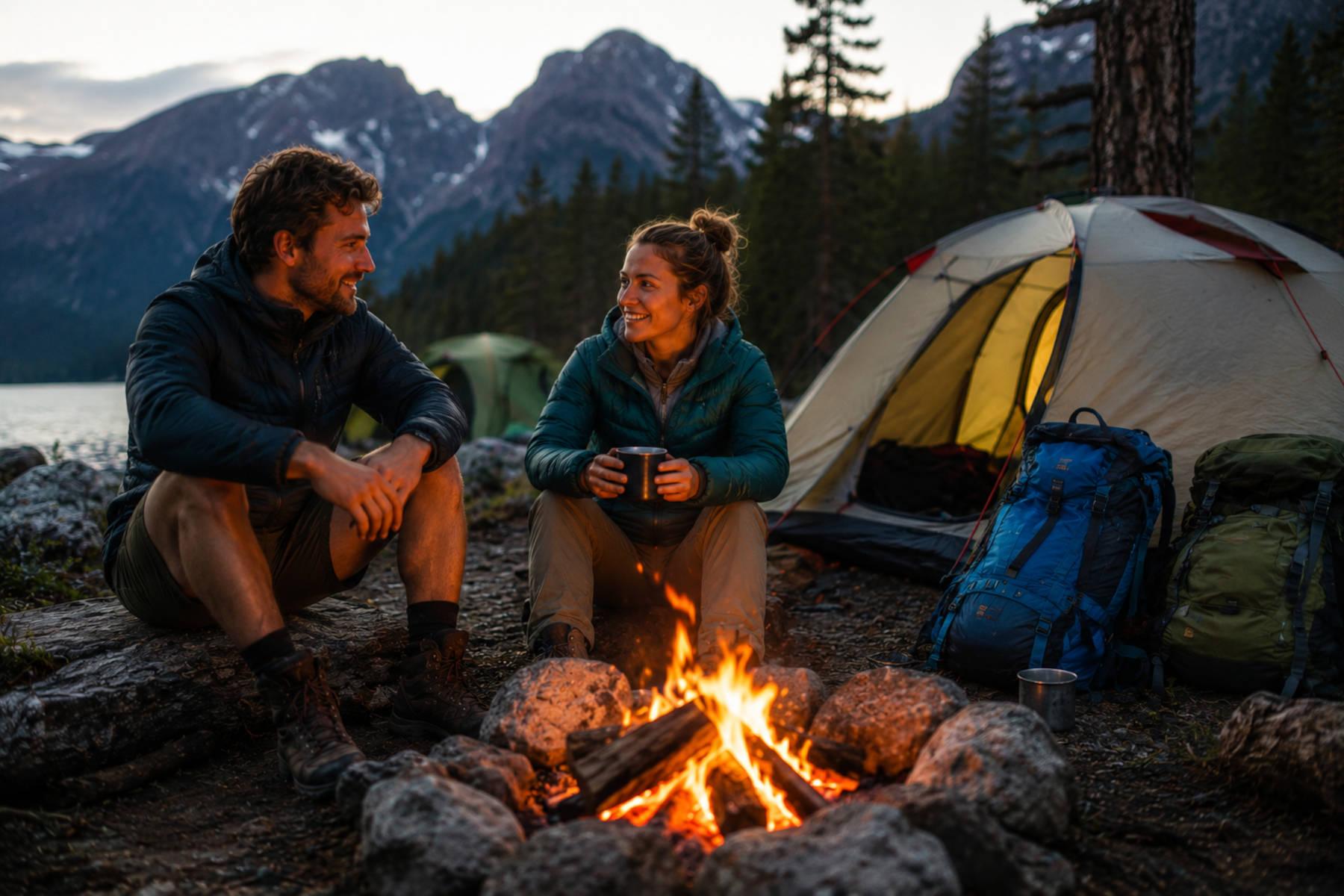
 There’s hardly anyone who hasn’t dreamed of escaping the city for a few days. Waking up to birdsong instead of an alarm clock. Brewing coffee in the fresh morning air. Sitting around a campfire as daylight slowly fades and the first stars begin to appear overhead. That’s exactly what draws so many people to camping.
Yet a first camping trip is almost always accompanied by the same mistakes. Some people try to bring everything they can think of, turning their car into a warehouse full of outdoor gear. Others go in the opposite direction, convinced that a few essentials will be enough, only to realize on the very first evening that they forgot a flashlight, a warm jacket, or even a simple mug for their morning coffee.
After years of camping and outdoor adventures, I’ve come to one simple conclusion: a comfortable trip has far less to do with expensive equipment than with packing wisely. Some items are used every single day, while others travel hundreds of miles only to return home untouched. With experience, you gradually learn what really matters—and what simply adds unnecessary weight.
This isn’t another checklist with a hundred “must-have” items. Instead, it’s a practical guide based on experience, sharing the things that genuinely make a few days outdoors more comfortable, enjoyable, and stress-free—especially if you’re planning your very first camping trip.
1. A Great Camping Trip Starts Before You Leave Home
When people think about camping, they usually picture a tent, a campfire, and a beautiful forest. In reality, though, the trip begins long before you leave the pavement behind. The few hours you spend preparing at home often determine whether your adventure will be relaxing or full of avoidable inconveniences.
Over the years, I’ve noticed an interesting pattern. Most camping problems don’t actually happen in the wilderness. They begin at home, when you’re rushing to pack and convince yourself that you’ll “figure it out later.” Sometimes that approach works. More often, nature is far less forgiving than everyday life in the city.
Before every trip, the first thing I check is the weather forecast. And not just the daytime temperature. Nighttime conditions, the chance of rain, and expected wind speeds are often much more important. A warm afternoon can easily be followed by a surprisingly chilly night, completely changing what you’ll wish you’d packed.
It’s just as important to plan your route in advance. Even if the drive seems straightforward, it’s worth downloading offline maps and checking where you’ll find the nearest grocery stores, gas stations, or reliable sources of drinking water. In many areas, mobile coverage disappears just a few miles beyond the highway, and suddenly your navigation app becomes useless.
Experience teaches a simple lesson: good preparation rarely gets noticed. But it’s exactly what allows you to relax once you arrive, without constantly wondering whether you’ve forgotten something important.
2. Your Tent Becomes Your Home
Many first-time campers choose a tent based on its color, brand, or the number of storage pockets inside. In reality, none of those things matter nearly as much as people think. Once you’re outdoors, your tent stops being a piece of camping equipment and becomes your home for the next few days. It’s where you’ll rest after long walks, wait out unexpected rain, and wake up to the first light of the morning.
I still remember one of my earliest camping trips, when I was convinced that finding the campsite with the best view was all that mattered. By evening, I discovered that the gentle slope I’d barely noticed during the day had turned my sleeping bag into a slow-moving slide. I woke up the next morning almost at the entrance of the tent. Since then, I’ve spent far more time choosing the right spot than pitching the tent itself.
A good night’s sleep depends on much more than the tent alone. Your sleeping bag and sleeping pad are just as important. Many beginners underestimate the pad, thinking it’s nothing more than a thin layer between them and the ground. After one cold night, however, most people quickly realize that it provides insulation almost as effectively as the sleeping bag itself, making an enormous difference to comfort.
With experience, you also discover another interesting thing about camping. During the day, your tent is rarely where you spend your time. It’s there for the evenings, the nights, and occasionally for shelter from bad weather. That’s why it’s far more important for a tent to be quick to pitch, reliable in wind and rain, and comfortable enough to let you sleep well. Everything else is simply a nice bonus.
3. Dress for Changing Conditions, Not the Forecast
One of the first lessons every camping trip teaches you is that the weather rarely follows the script you imagined at home. You might wake up to bright sunshine, spend the afternoon hiking in a T-shirt, and end the day sitting around the campfire wrapped in a warm jacket, wondering where all the daytime warmth disappeared.
That’s probably why experienced campers rarely pack large amounts of clothing. Instead, they focus on a few versatile layers that work well together. A lightweight fleece, a waterproof jacket, comfortable hiking pants, and a couple of T-shirts are usually far more useful than an oversized bag filled with clothes “just in case.”
I used to think differently myself. Before one of my first camping trips, I was convinced that packing more clothes would make me feel better prepared. In reality, half of them stayed untouched in my bag. Most of the time, I wore the same comfortable outfit, simply adding another layer once the temperature dropped in the evening.
There’s another detail that many beginners don’t think about. Clothes get dirty much faster outdoors than they do in everyday life. Campfire smoke, sand, pine needles, damp grass, and muddy trails quickly become part of the experience. After a couple of days, you stop thinking about clothing as part of your wardrobe and start seeing it for what it really is—a practical piece of equipment that should be comfortable, quick to dry, and easy to move around in.
One item that’s often overlooked is a good hat. Many people don’t think about sun protection until it’s already too late. Spending hours beside a lake or in an open meadow under direct sunlight can be far more exhausting than expected. Sometimes a simple baseball cap or sun hat turns out to be one of the most valuable things you packed.
4. You’ll Appreciate Good Footwear After the First Long Day
If there’s one piece of gear that’s truly worth investing in before a camping trip, it’s your footwear. From the moment you leave home until the day you return, your shoes are with you every step of the way. Uncomfortable footwear can ruin a weekend outdoors much faster than rain or a chilly night ever could.
Looking at photos of campsites, it’s easy to imagine that most of your time will be spent relaxing around the tent. In reality, that’s rarely the case. Before long, you’ll want to explore nearby trails, walk to a lake, climb a hill for the view, or simply wander through the surrounding forest. Even a relaxed camping weekend often includes several miles of walking without you even noticing.
I remember one trip when I decided that an old pair of city sneakers would be perfectly fine for a short walk. A few hours later, the damp grass had soaked straight through them. By evening, I realized how unpleasant it would be to put those cold, wet shoes back on the next morning. Ever since then, I’ve never taken footwear for granted.
The good news is that you don’t necessarily need expensive professional hiking boots. For a relaxed stay at a well-equipped campground, a comfortable pair of shoes with reliable grip is usually more than enough. The most important thing is that you’ve already worn them before your trip. Brand-new shoes have a remarkable talent for causing blisters that stay with you for the rest of the weekend.
There’s one more little comfort you’ll learn to appreciate with experience. After spending an entire day in hiking shoes, changing into something lighter feels incredibly satisfying. A pair of sandals or camp shoes takes up very little space but makes evenings around the campsite noticeably more comfortable.
5. Food Always Tastes Better Outdoors
There’s something about camping that’s surprisingly difficult to explain to anyone who has never spent a few days outdoors. For some reason, even the simplest meals taste extraordinary. A bowl of pasta, grilled sausages, baked potatoes, or a mug of hot coffee on a cool morning often becomes just as memorable as a meal in a fine restaurant.
Perhaps it’s not really about the food itself, but about everything that surrounds it. While dinner is cooking, some
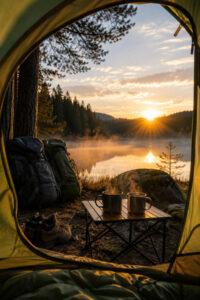
one is preparing the fire, someone else is setting the table, and another person is already pouring tea into mugs. Cooking stops feeling like a daily chore and becomes part of the experience, with no reason to rush.
Over the years, I’ve learned that camp cooking works best when it’s kept simple. There’s no need to turn your car into a mobile kitchen. A reliable camping stove or portable grill, a few essential cooking utensils, a good knife, and easy-to-prepare ingredients are usually all you need. The less time you spend cooking and cleaning up afterward, the more time you have to enjoy the place you’ve come to experience.
There’s one thing, however, that almost every beginner underestimates—water. Most people remember to bring enough for cooking and making coffee or tea, but in reality you’ll use far more than expected. You need it for washing your hands before preparing food, rinsing dishes, freshening up in the morning, a
nd staying hydrated after a long walk. No matter how carefully you plan, your water supply always seems to disappear faster than you imagined.
After years of camping, I’ve developed one small habit. As soon as I arrive at the campsite, before thinking about the campfire or even setting up the tent, I make sure I know exactly where my supply of drinking water will be. Once that’s taken care of, everything else somehow falls into place. It’s little habits like this that quietly transform an ordinary camping trip into a genuinely comfortable outdoor experience.
3. Dress for Changing Conditions, Not the Forecast
One of the first lessons every camping trip teaches you is that the weather rarely follows the script you imagined at home. You might wake up to bright sunshine, spend the afternoon hiking in a T-shirt, and end the day sitting around the campfire wrapped in a warm jacket, wondering where all the daytime warmth disappeared.
That’s probably why experienced campers rarely pack large amounts of clothing. Instead, they focus on a few versatile layers that work well together. A lightweight fleece, a waterproof jacket, comfortable hiking pants, and a couple of T-shirts are usually far more useful than an oversized bag filled with clothes “just in case.”
I used to think differently myself. Before one of my first camping trips, I was convinced that packing more clothes would make me feel better prepared. In reality, half of them stayed untouched in my bag. Most of the time, I wore the same comfortable outfit, simply adding another layer once the temperature dropped in the evening.
There’s another detail that many beginners don’t think about. Clothes get dirty much faster outdoors than they do in everyday life. Campfire smoke, sand, pine needles, damp grass, and muddy trails quickly become part of the experience. After a couple of days, you stop thinking about clothing as part of your wardrobe and start seeing it for what it really is—a practical piece of equipment that should be comfortable, quick to dry, and easy to move around in.
One item that’s often overlooked is a good hat. Many people don’t think about sun protection until it’s already too late. Spending hours beside a lake or in an open meadow under direct sunlight can be far more exhausting than expected. Sometimes a simple baseball cap or sun hat turns out to be one of the most valuable things you packed.
4. You’ll Appreciate Good Footwear After the First Long Day
If there’s one piece of gear that’s truly worth investing in before a camping trip, it’s your footwear. From the moment you leave home until the day you return, your shoes are with you every step of the way. Uncomfortable footwear can ruin a weekend outdoors much faster than rain or a chilly night ever could.
Looking at photos of campsites, it’s easy to imagine that most of your time will be spent relaxing around the tent. In reality, that’s rarely the case. Before long, you’ll want to explore nearby trails, walk to a lake, climb a hill for the view, or simply wander through the surrounding forest. Even a relaxed camping weekend often includes several miles of walking without you even noticing.
I remember one trip when I decided that an old pair of city sneakers would be perfectly fine for a short walk. A few hours later, the damp grass had soaked straight through them. By evening, I realized how unpleasant it would be to put those cold, wet shoes back on the next morning. Ever since then, I’ve never taken footwear for granted.
The good news is that you don’t necessarily need expensive professional hiking boots. For a relaxed stay at a well-equipped campground, a comfortable pair of shoes with reliable grip is usually more than enough. The most important thing is that you’ve already worn them before your trip. Brand-new shoes have a remarkable talent for causing blisters that stay with you for the rest of the weekend.
There’s one more little comfort you’ll learn to appreciate with experience. After spending an entire day in hiking shoes, changing into something lighter feels incredibly satisfying. A pair of sandals or camp shoes takes up very little space but makes evenings around the campsite noticeably more comfortable.
5. Food Always Tastes Better Outdoors
There’s something about camping that’s surprisingly difficult to explain to anyone who has never spent a few days outdoors. For some reason, even the simplest meals taste extraordinary. A bowl of pasta, grilled sausages, baked potatoes, or a mug of hot coffee on a cool morning often becomes just as memorable as a meal in a fine restaurant.
Perhaps it’s not really about the food itself, but about everything that surrounds it. While dinner is cooking, someone is preparing the fire, someone else is setting the table, and another person is already pouring tea into mugs. Cooking stops feeling like a daily chore and becomes part of the experience, with no reason to rush.
Over the years, I’ve learned that camp cooking works best when it’s kept simple. There’s no need to turn your car into a mobile kitchen. A reliable camping stove or portable grill, a few essential cooking utensils, a good knife, and easy-to-prepare ingredients are usually all you need. The less time you spend cooking and cleaning up afterward, the more time you have to enjoy the place you’ve come to experience.
There’s one thing, however, that almost every beginner underestimates—water. Most people remember to bring enough for cooking and making coffee or tea, but in reality you’ll use far more than expected. You need it for washing your hands before preparing food, rinsing dishes, freshening up in the morning, and staying hydrated after a long walk. No matter how carefully you plan, your water supply always seems to disappear faster than you imagined.
After years of camping, I’ve developed one small habit. As soon as I arrive at the campsite, before thinking about the campfire or even setting up the tent, I make sure I know exactly where my supply of drinking water will be. Once that’s taken care of, everything else somehow falls into place. It’s little habits like this that quietly transform an ordinary camping trip into a genuinely comfortable outdoor experience.
9. What to Leave at Home
A few days before every first camping trip, the same scene usually unfolds. Neatly organized piles of gear begin appearing around the room. Every single item seems absolutely essential. An extra jacket—just in case the weather turns cold. Another pair of shoes. Three flashlights instead of one. Five towels. A complete cooking set. That book you’ve been meaning to read for months. A board game. A portable speaker. And, of course, a handful of things that “hardly take up any space.”
When I first started camping, my packing looked exactly the same. I always believed it was better to bring too much than regret leaving something behind. But after a few trips, I noticed something surprising. Most of those carefully packed items returned home exactly as they had left—unused and untouched.
Nature has a remarkable way of teaching you to travel lighter. Every unnecessary item has to be carried, stored somewhere inside the tent or the car, and moved around several times a day. The more unnecessary gear you bring, the less space you have—not only around you, but in your mind as well.
You usually realize this most clearly on the morning you pack up to head home. Taking down the tent or rolling up your sleeping bag isn’t the difficult part. What takes time is dealing with dozens of items that never served any purpose during the trip.
I once heard a piece of advice from an experienced camper that has stayed with me ever since. After every trip, think about everything you never took out of your bag. Chances are, most of those items can stay at home next time. That’s how your own camping kit gradually evolves—carefully refined until every piece of gear has earned its place.
10. The Most Important Thing to Bring
If you ask people what they remember most after a great camping trip, very few will talk about their tent, sleeping bag, or camping stove. Instead, they remember something entirely different.
They remember the first rays of sunlight filtering through the fabric of the tent. The gentle mist rising from the lake at dawn. Long conversations around the campfire that somehow lasted for hours, covering every subject imaginable, even though nobody ever seems to have enough time for conversations like that back home. They remember looking up at a sky so full of stars that it was impossible to look away.
Perhaps that’s the greatest gift camping has to offer. For a few days, life becomes wonderfully simple. Your schedule is no longer controlled by meetings and notifications but by sunrise and sunset. Instead of traffic and city noise, you hear wind moving through the trees, water lapping against the shore, or firewood quietly crackling in the campfire. Time slows down, and you suddenly realize how much you’ve missed that slower pace of life.
Of course, good equipment makes every trip more comfortable. A reliable tent keeps you dry during unexpected rain. A warm sleeping bag helps you sleep well on chilly nights. Comfortable footwear lets you explore without thinking about sore feet. But in the end, they’re only tools.
Camping has never really been about gear. It’s about stepping away from your everyday routine, silencing the endless stream of notifications, rediscovering the pleasure of waking up in the fresh air, and spending an evening beneath an open sky instead of another glowing screen.
So when you start packing for your next adventure, bring the things you’ll genuinely need—and leave the rest behind. Use the extra space for curiosity, a sense of adventure, and a willingness to embrace new experiences. Those are the things that usually become the most valuable souvenirs we bring home from every camping trip.
The water advice is spot on. First few camping trips I always took what I thought was enough. It never
Same here. I usually worry about food and forget that I’m going to need water for about a dozen other things.
You can improvise with quite a lot of things, to be honest. Forgot a cup once and used the cooking pot instead. Not elegant, but it worked.
😂 Done that. I’ve also eaten breakfast standing next to the tent because I couldn’t be bothered to unpack the camping table.
That’s the part people learn after a few trips. My first camping weekend looked like I was moving house. Now I take half the stuff and somehow enjoy it twice as much.