

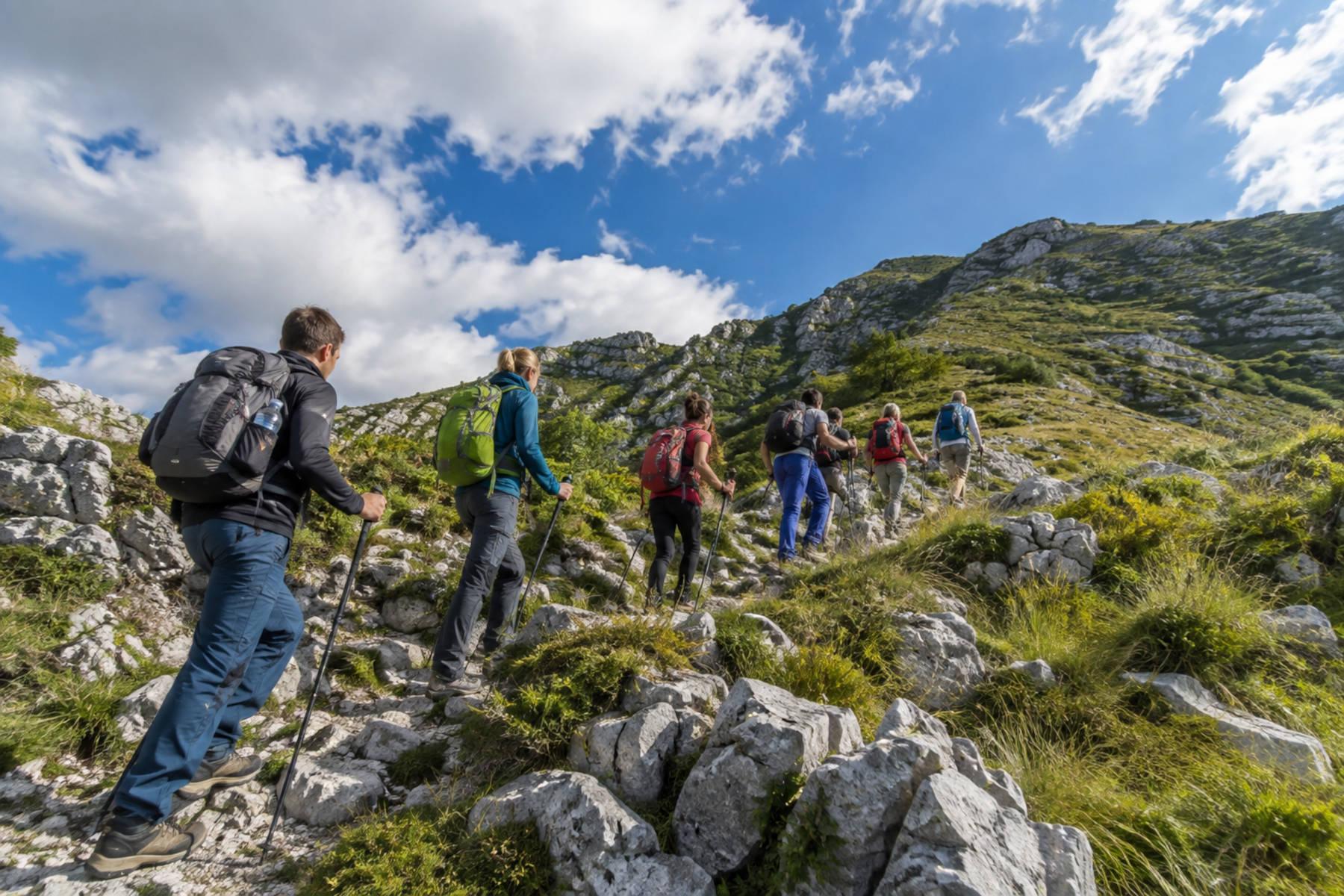
 Mountains have a way of changing people. Perhaps it’s the silence, the endless views, or the simple satisfaction of reaching a place that can only be discovered on foot. Whatever the reason, it’s easy to understand why so many travelers eventually trade crowded beaches and city breaks for winding trails, fresh mountain air, and a backpack on their shoulders.
Before we begin, it’s worth making one thing clear. This article isn’t written for experienced mountaineers preparing to climb technical peaks or cross glaciers. It’s for people taking their first steps into the mountains—whether that’s a scenic day hike, a well-marked trekking route, or a weekend adventure through national parks. You don’t need specialized expedition equipment to enjoy hiking, but you do need to prepare thoughtfully.
One of the biggest surprises for first-time hikers is how little they actually need. Before my first mountain hike, I imagined I would have to carry enough equipment for every possible situation. In reality, experienced hikers were carrying smaller backpacks than I was. They simply knew what mattered and what didn’t.
Over time, I discovered that hiking isn’t about owning the most expensive gear. It’s about understanding what helps you walk comfortably, stay safe, and enjoy every mile of the journey. Some items become your constant companions, while others never leave the bottom of your backpack. Experience has a remarkable way of separating the essentials from the unnecessary.
This isn’t another checklist with dozens of items to buy before your next adventure. Instead, it’s a practical guide based on experience—sharing the things that truly make hiking in the mountains more comfortable, safer, and infinitely more enjoyable.
1. Every Great Hike Begins Before You Reach the Trail
Most people imagine that a hiking trip begins the moment they step onto a mountain path. In reality, the experience starts much earlier, often the evening before, when you’re deciding what to pack and checking tomorrow’s weather for the third time.
Unlike a walk through the city, mountains don’t offer many second chances. If you forget a rain jacket, there probably won’t be a shop around the next corner. If you underestimate the temperature at higher elevations, the sunny forecast you saw at home may suddenly feel very different once the trail begins to climb.
One lesson I learned surprisingly early is that mountain weather should never be judged by the conditions in the valley. A warm summer morning at the parking area can quickly become a cool, windy afternoon a thousand meters higher. That’s why I always check not only the forecast, but also the expected temperature at elevation, the chance of rain, and how strong the wind is likely to become.
Planning your route deserves just as much attention. I like knowing where the trail begins, how long the hike is expected to take, how much elevation I’ll gain, and whether there are reliable water sources along the way. Downloading an offline map takes only a minute, yet it can save hours of unnecessary stress if mobile service disappears—which happens surprisingly often once you’re deep in the mountains.
Perhaps the biggest difference between beginners and experienced hikers isn’t physical fitness at all. It’s preparation. The people who appear most relaxed on the trail are usually the ones who spent the most time getting ready before they ever laced up their boots.
2. Your Backpack Should Carry the Weight—Not You
One of the most common mistakes new hikers make is believing that a larger backpack automatically means better preparation. It feels reassuring to bring an extra jacket, another bottle, additional food, and a handful of items that might be useful “just in case.” The problem is that every unnecessary item becomes noticeably heavier after the first few miles.
I remember watching an experienced hiker effortlessly pass me on a steep climb. His backpack looked surprisingly compact compared to mine. We reached the same viewpoint, but he looked as if he’d barely broken a sweat while I immediately wanted to sit down. That day taught me an important lesson: hiking is much easier when your backpack carries only what you’ll actually use.
A comfortable backpack isn’t necessarily the biggest or the most expensive one. It should fit your body properly, distribute weight evenly across your shoulders and hips, and remain comfortable even after several hours on the trail. A poorly adjusted backpack has an amazing ability to make every climb feel twice as difficult.
Over time, you also discover that organizing your gear matters almost as much as choosing it. The items you need most often—a waterproof jacket, snacks, sunscreen, or a water bottle—should always be within easy reach. Constantly unpacking your entire bag just to find one small item quickly becomes frustrating, especially when the weather changes unexpectedly.
Eventually, every experienced hiker develops a simple philosophy: pack light, but never leave behind the things that genuinely contribute to your comfort and safety. Finding that balance is one of the most valuable skills mountain hiking teaches.
3. Good Footwear Is More Important Than Strong Legs
Ask experienced hikers what piece of equipment matters most, and many of them won’t mention a backpack or an expensive jacket. They’ll point to their boots. It may not be the most exciting purchase, but after your first full day on the trail, you’ll understand why comfortable footwear is worth every penny.
Mountain trails are constantly changing. One moment you’re walking across soft forest soil, the next you’re stepping over loose rocks, wet roots, or uneven gravel. Good hiking shoes don’t make these obstacles disappear, but they make every step feel more stable and predictable.
Like many beginners, I once assumed that ordinary running shoes would be perfectly adequate for an easy hike. They felt comfortable on city streets, so why would the mountains be any different? A few slippery sections of trail quickly answered that question. By the end of the day, my feet were sore, my socks were damp, and I realized that confidence on a mountain path begins with what’s on your feet.
The good news is that most people don’t need heavy mountaineering boots. For well-maintained hiking trails, a comfortable pair of hiking shoes or lightweight boots with good grip is usually the better choice. They should already be broken in before your trip, because new footwear has an unfortunate habit of revealing uncomfortable pressure points only after several hours of walking.
One more thing deserves attention: socks. It sounds almost too simple to mention, yet a quality pair of hiking socks often makes a bigger difference than people expect. They reduce friction, help manage moisture, and make long days on the trail noticeably more comfortable. Sometimes it’s the smallest details that have the greatest impact.
4. Dress in Layers, Not for the Temperature at the Parking Lot
One of the most fascinating things about hiking in the mountains is how quickly the weather can change. Sunshine can turn into mist within minutes, and a pleasant breeze can become a surprisingly cold wind as the trail climbs higher. That’s why experienced hikers rarely think about individual pieces of clothing. Instead, they think in layers.
I’ve found that carrying several lightweight layers is almost always more comfortable than relying on one thick jacket. As your body warms up during a climb, you can remove a layer. When you stop for lunch or reach an exposed ridge where the wind is stronger, you simply put it back on. It’s a system that’s flexible enough to adapt to almost any conditions.
A waterproof outer layer deserves a permanent place in every hiking backpack. Even if rain isn’t in the forecast, mountain weather has a habit of making its own decisions. A lightweight rain jacket takes very little space, yet it can completely change your experience if the clouds suddenly roll in.
It’s also worth remembering that you’ll spend part of the day standing still. Whether you’re enjoying the view, taking photographs, or having lunch at the summit, your body cools down surprisingly quickly. Having one extra warm layer often makes those moments just as enjoyable as the hike itself.
Perhaps that’s the biggest lesson mountains teach about clothing. It’s not about looking like a professional explorer. It’s about staying comfortable enough that the changing weather becomes part of the adventure rather than the reason to turn back.
5. Water and Food Are Your Best Trail Companions
One of the easiest mistakes to make before a hike is underestimating how much energy you’ll use. Even a relatively gentle mountain trail demands more from your body than an ordinary walk through the city. Add sunshine, changing elevation, and several hours on your feet, and you’ll quickly appreciate having enough water and food within easy reach.
I used to think that carrying extra water was unnecessary weight. Then I experienced a warm afternoon with no reliable water source anywhere along the trail. Since then, I’ve preferred carrying a little more than I expect to need. The weight becomes far less noticeable than the discomfort of running out halfway through the day.
Food follows the same principle. Hiking isn’t the time for elaborate meals or heavy cooking equipment. Simple snacks that provide lasting energy—sandwiches, fruit, dried fruit, energy bars, or nuts—are usually all you need. They’re easy to pack, easy to eat during short breaks, and they keep your energy levels surprisingly steady throughout the day.
One thing I particularly enjoy about hiking is stopping somewhere with a great view for lunch. Somehow, even the simplest sandwich tastes better when you’re sitting on a mountain ridge with miles of landscape stretching out in every direction. Fresh air has an incredible ability to improve even the most ordinary meal.
By the end of every hike, I’ve noticed the same pattern. The people who planned their food and water carefully are still smiling when they reach the trailhead. Those who didn’t are usually thinking less about the scenery and more about how quickly they can find the nearest café.
6. Navigation, Safety, and Knowing Where You’re Going
One of the biggest misconceptions about modern hiking is that getting lost is no longer possible. After all, we all carry smartphones with GPS, detailed maps, and weather apps. Yet anyone who spends enough time in the mountains soon discovers that technology has its limits. Batteries run low, signals disappear, and weather can change much faster than your phone updates.
That doesn’t mean you need to become an expert in traditional navigation. It simply means that a little preparation goes a long way. Before every hike, I download offline maps, check the route, and make sure I understand where the trail begins, where it ends, and roughly how long the journey should take.
I’ve also learned never to underestimate how quickly mountain weather can change your plans. A trail that feels easy in bright sunshine may become completely different when clouds roll in and visibility drops. Sometimes the smartest decision isn’t pushing forward—it’s turning around while the conditions are still good.
One habit I’ve adopted over the years is letting someone know where I’m going before setting off. It takes less than a minute to send a message with your planned route and estimated return time, yet it’s one of the simplest safety precautions any hiker can take.
Perhaps the most valuable lesson mountains teach is that good judgment is more important than confidence. Reaching the summit is always rewarding, but coming home safely is what makes every hike a success.
7. The Mountain Sun Is Stronger Than You Think
Many first-time hikers prepare for rain, wind, and cold temperatures, but they often overlook the one thing they’ll encounter all day long—the sun. At higher elevations, sunlight is noticeably more intense than it feels in the city, and even a cool breeze can hide just how much exposure you’re getting.
I remember finishing one hike feeling perfectly comfortable, only to discover later that my face and neck had turned bright red. The cool mountain air had tricked me into forgetting how powerful the sun really was. Since then, sunscreen has become as essential as my water bottle.
A good pair of sunglasses makes an equally noticeable difference. Hours of bright sunlight reflecting from rocks, open meadows, or even patches of snow can leave your eyes surprisingly tired by the end of the day. Comfortable eye protection isn’t just about convenience—it’s about enjoying the scenery without constantly squinting.
A lightweight hat is another item that rarely gets much attention until it’s missing. It provides shade, keeps the sun off your face, and makes long sections of exposed trail far more comfortable. It’s one of those simple pieces of equipment that quietly earns its place in every backpack.
The mountains reward people who respect them. Sometimes that respect isn’t about dramatic survival skills—it’s simply remembering to protect yourself from the elements that are with you every step of the way.
8. Small Items That Make a Big Difference
Ask ten experienced hikers about the most useful thing they’ve ever packed, and you’ll probably receive ten different answers. Interestingly, very few of those answers will involve expensive equipment. More often, they’ll mention small items that seemed almost insignificant until the moment they were needed.
Over time, every hiker develops a few personal habits. I always carry a lightweight power bank, a few adhesive bandages, a small pack of tissues, and a compact multitool. None of these items takes up much space, yet each of them has proven useful often enough that I no longer think twice about bringing them.
Trekking poles are another good example. Many beginners assume they’re only for older hikers or difficult mountain terrain. Then they use a pair on a long descent and suddenly understand why so many experienced hikers refuse to leave home without them. It’s not just about climbing—they reduce strain on your knees, improve balance, and make uneven trails feel much easier to manage.
Mountain hiking has a wonderful way of changing your perspective. The longer you spend on the trail, the less impressed you become by expensive gadgets and the more you appreciate thoughtful preparation. Real comfort rarely comes from carrying more gear. It comes from carrying the right gear.
Perhaps that’s why experienced hikers often have surprisingly simple backpacks. Every item has a purpose, every piece of equipment has earned its place, and nothing is there simply because it looked useful in a store.
9. What to Leave Behind
A few days before your first hike, it’s easy to convince yourself that every item deserves a place in your backpack. An extra fleece in case it gets colder than expected. Another bottle of water. A larger camera. A second power bank. A heavy knife you probably won’t use. A thick guidebook. A portable speaker. Somehow, each one seems perfectly reasonable when you’re packing at home.
My first hiking backpack looked exactly like that. I believed that carrying more equipment meant being better prepared. It wasn’t until halfway through a long climb that I discovered a simple truth: every unnecessary item becomes heavier with every step.
Mountains are surprisingly good teachers. They quickly show you the difference between what you thought you needed and what you actually used. After a few hikes, you begin to notice that many carefully packed items never leave the backpack. They travel all the way to the summit and back without serving any purpose at all.
The easiest way to improve your packing is to pay attention after each trip. When you get home, think about everything you never touched during the day. Some of those items may still deserve a place in your backpack for emergencies, but many of them can safely stay at home next time.
Little by little, every hiker builds a packing system that feels almost effortless. There’s no wasted space, no unnecessary weight, and no constant search for things buried at the bottom of the bag. Everything has a purpose, and every hike becomes a little more enjoyable because of it.
10. The Most Important Thing You’ll Carry
If you ask people what they remember most about a day in the mountains, very few will start talking about backpacks or hiking boots. Instead, they’ll describe the moment they reached a viewpoint they hadn’t expected, the silence of an early morning trail, or the feeling of standing above the clouds for the first time.
They’ll remember sunlight breaking through the trees after a steep climb. They’ll remember the sound of a distant waterfall, the fresh scent of pine forests, or the simple pleasure of sharing lunch while looking across an endless mountain landscape. Long after the details of the route have faded, those moments remain surprisingly vivid.
Perhaps that’s the real reason people return to the mountains again and again. Hiking isn’t simply about reaching the highest point on the map. It’s about slowing down, noticing the world around you, and discovering that some of life’s most memorable experiences don’t require Wi-Fi, traffic, or a carefully planned schedule.
Of course, good equipment makes every hike safer and more comfortable. Reliable footwear protects your feet, appropriate clothing keeps you warm and dry, and enough food and water help you enjoy the journey from beginning to end. But all of those things are simply tools that allow you to focus on what really matters.
The mountains have never cared how expensive your gear is or how many miles you’ve already walked. They reward curiosity, patience, good preparation, and a willingness to keep moving one step at a time. That’s why hiking is such a rewarding activity for beginners. You don’t have to conquer a famous peak to experience the magic of the mountains. Sometimes the most memorable trail is simply the first one.
So before your next adventure, pack carefully—but don’t forget to leave room for curiosity, a sense of wonder, and the excitement of discovering somewhere you’ve never been before. In the end, those are the things you’ll carry home long after you’ve unpacked your backpack.
I used to pack way too much for every hike. After a few trips I realised that half of the things never came out of my backpack. The part about packing light is very true.
The offline map advice is probably the most useful thing here. I’ve had GPS disappear on trails where I assumed I’d have full signal. Now I download the route before leaving, every time.
I agree about the footwear. I once did a fairly easy trail in regular trainers because the weather was good. It was fine until the trail became wet and rocky. Never again.
One thing I’d add is that beginners often underestimate how different the mountains can feel compared with the forecast in town. I’ve had sunny conditions at the trailhead and completely different weather higher up.
For me the best advice is actually the last part. The gear matters, but after a while you stop thinking about equipment and just remember the view, the weather and the feeling of being somewhere far away from everything.
The section about leaving things behind made me laugh. My first backpack had everything except common sense. 😄 Now I’m much more interested in whether I’ll actually use something than whether it “might come in handy”.
For me the best advice is actually the last part. The gear matters, but after a while you stop thinking about equipment and just remember the view, the weather and the feeling of being somewhere far away from everything.